
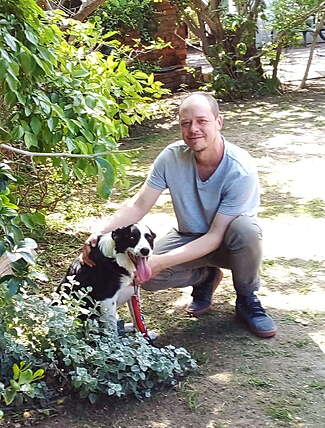

Samuel Waumsley
M.A. Clin. Psych. (UCT)
Registered Clinical Psychologist | Cape Town
Enquiries: samuelwaumsley@gmail.com
Phone: 0843502102
Monday - Friday 8am - 5pm

Well-being in our lives:
- Symptoms of anxiety: Anxiety is associated with the fight, flight, freeze, or friendly! reflex. As human beings we have a strong response to danger and stress that is highly attuned, automatic and that neurochemically is processed faster than we can register the stressor consciously. When one is anxious we can panic and really 'not remain calm' - freezing, rushing, becoming angry or agitated (with ourselves unhelpfully often or others) in high stress situations, sometimes that is chronically activated.
- Signs of depression: Depression is arguably at its core a feeling to do with hopelessness or of meaninglessless -experience of the 'existential abyss' if you like. It can involve our sense of self in life and our experience. It can be useful to consider depression as also faintly bringing a challenge to the self. Often there is something wrong in our life, or in our worlds or in our lives before, or in what we were told that is felt deep down that bothers and depresses us. Sometimes we all need help in some form to break free from negative conclusions, cycles and entrapments.
What does therapy do?
There is great depth to the human experience. How can we listen to this more? By being more aware of one's own needs and feelings to start with; next to others' around us, with calm assertiveness and positivity if we can, centered in warm-hearted values. Talk therapy sessions - 50 minute conversations - work to allow pertinent issues to surface in the therapeutic space. This can be in one session - or over weekly sessions as well as intermittently, fortnightly or monthly. In sessions we try to shift unconscious and conscious feeling by accessing pinch-points in mood, outlook, histories. We seek empowerment through positive appreciation of ourselves and others, as well as of existence.
>Therapy - what to expect:
1. Meeting, history-taking and describing issues at hand.
2. Building understanding around symptoms and challenges.
3. Deeply familiarising ourselves with this dynamic understanding of the issues at play.
4. Continued focus on day to day life contemplatively and on issues at play, while seeking ways to positively shift outcomes meaningfully.
- Attachment dynamic
- Anxiety
- Depression
- Panic attack
- Self-esteem
- Intergenerational themes
- Metacognition
- Implicit relational awareness
- Socratic dialogue
- Reject the projection
- Solidarity with one's self
- Burnout
- Overwhelm
- Dissociation
- Life narrative
- Subconscious reaction
- Existential reflection
- Calm assertiveness
- Adult child-parent sessions
- Online therapy
- Dream interpretation